
The brightest of the stars in the Big Dog constellation is Sirius, the Dog Star. In the late summer, it can be seen rising and setting with the sun. This conjunction caused the ancients to believe that Sirius’ heat added to the heat of the sun, creating a stretch of hot and sultry weather. They named this period of time, from 20 days before the conjunction to 20 days after, the dog days and it usually begins in early July, ending in mid-August.
These hot days often usher in drier weather, so please be sure to water! July rainstorms are notoriously spotty. Pay attention to the conditions in your own landscape. If a period of dry weather sets in, any tree or shrub planted in the last two years will need its roots soaked once a week. Perennial and annual borders will benefit from watering as well. If dry weather continues, it’s also a good idea to root-water even established trees and shrubs, especially Beech, Japanese Maples and Redbuds. Drought stress weakens a plant’s ability to fight off disease and pests, and can affect winter hardiness.
June was Perennial Gardening Month, but July has its own charm. Is your garden looking a bit tired? Add some flower power with Garden Phlox, Liatris and Coneflowers. You can continue to plant perennials all summer as long as you are paying attention to their watering needs. Newly planted flora will need some baby-sitting if the temperatures start to soar. So if your personal gardening energy is still in planting mode, go ahead and insert some new color and texture.
Shear perennials after their first flush of blooms to encourage a second flowering period. Coreopsis, Veronica and Salvias all respond beautifully to this haircut method of pruning. You don’t have to prune stem by stem. Grab a handful of stems and cut the whole bunch at once. They will grow out and look natural in a few days. And for those perennials that re-seed a bit too vigorously, this is a must-do gardening chore, unless you relish weeding out unwanted seedlings later this summer or next spring.
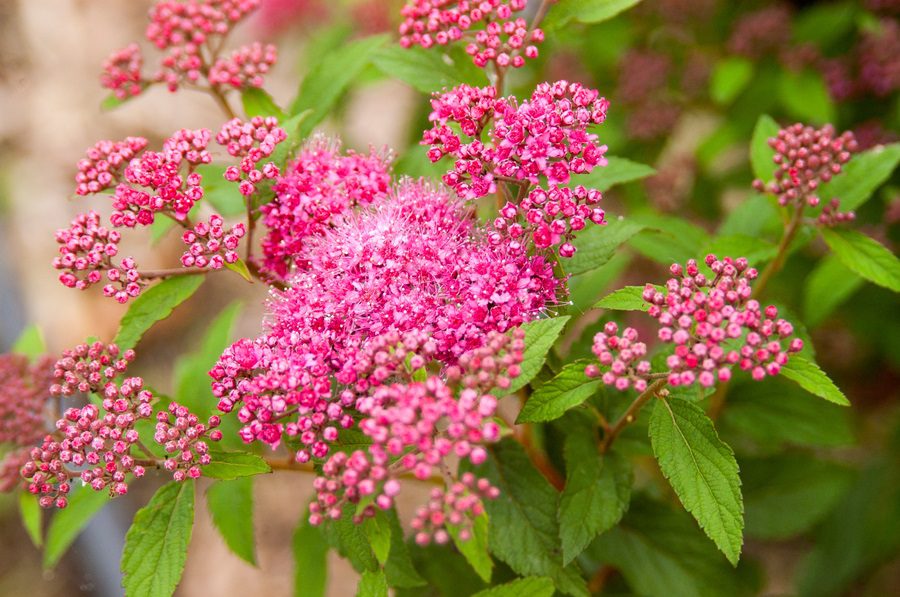
While you’re deadheading, shear back your Japanese Spirea and Potentilla that have finished flowering, too. This can promote a second flowering. Continue to dead head Roses to encourage re-blooming. And there is still time to prune Arborvitae, Yews and Junipers now that the new growth is darkening in color. Be prudent though and leave enough of this year’s growth to develop buds for next year.
We’ve just begun to hear reports of Japanese Beetles. Watch for them on Roses, Hibiscus and other flowering shrubs. When they do arrive, you can pick them off and drop them in a bucket of soapy water. Or try an insecticidal spray, like Eight. These contact sprays work the best if the product actually touches the insects. Insecticidal soap will not be effective. Systemic insecticides are effective too, but remember not to use them on fruiting plants. Use traps only as a last resort in a remote area of your yard. They will attract as many beetles as they catch. And you’ll have to clean out the trap. Yickers!